
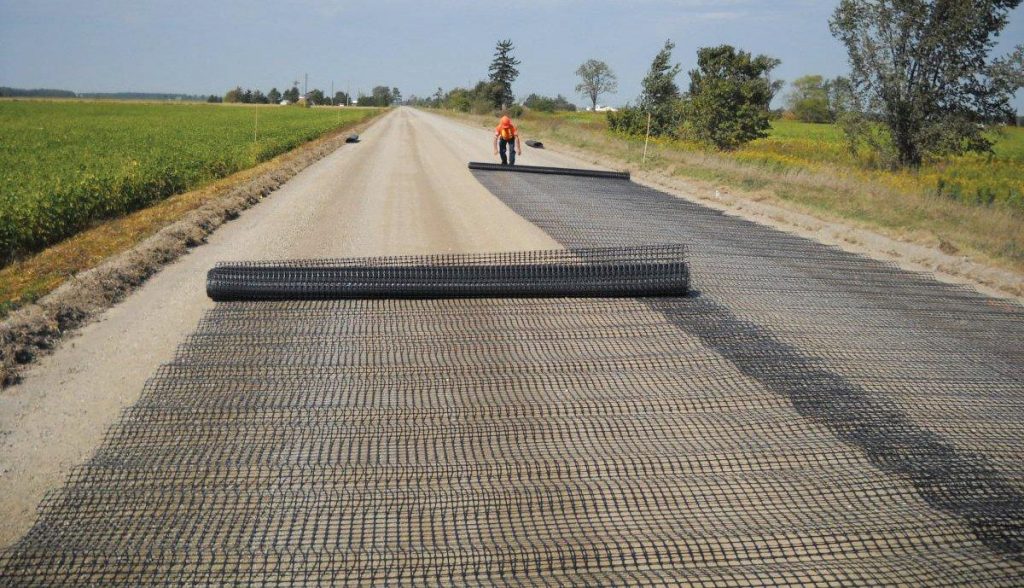
Textiles are all around us. We see and use them daily in our homes and offices. But geotextiles are quite different. Geotextiles are synthetic fibres that serve as an alternative to soil filters.
They offer resistance to biodegradation and have permeable qualities. Also known as geosynthetics, geotextiles are used in over 80 different types of applications around us.
Key Takeaways
Most people rarely see geotextiles, yet they are quietly responsible for the stability, durability, and performance of modern infrastructure.
From highways and embankments to coastal protection systems, geotextiles are used beneath the surface to solve complex engineering challenges—particularly those related to soil behaviour and water management.
But beyond their practical use, there are several interesting facts that highlight why geotextiles have become a cornerstone of modern civil engineering.
Although they may resemble fabric, geotextiles are engineered materials designed specifically for ground interaction.
They are:
Unlike traditional textiles, geotextiles are created to interact with soil, water, and load forces, making them suitable for construction and geotechnical applications.
One of the most unique characteristics of geotextiles is their ability to perform multiple functions simultaneously, including:
These functions allow geotextiles to replace or enhance traditional materials like gravel filters or soil layers.
Geotextiles are among the most versatile materials in civil engineering.
They are used in:
Globally, geotextiles are applied in over 80 to 100 different use cases, reflecting their adaptability and importance.
Instead of replacing weak soil with expensive materials, geotextiles:
This reduces the need for:
As a result, projects become more cost-efficient and sustainable.
One of their most valuable properties is controlled permeability.
Geotextiles:
This prevents:
This filtration function is critical in maintaining long-term structural integrity in construction systems.
Modern geotextiles gained popularity in the 1950s, when engineers began using synthetic filter fabrics in erosion control and road stabilisation.
However, the concept of soil reinforcement dates back even further:
Today’s geotextiles are simply a more advanced evolution of these early techniques.
As construction challenges grow more complex, geotextiles have become increasingly important.
Key drivers include:
Compared to traditional materials, geotextiles offer:
Geotextiles are not just simple fabrics—they are engineered materials with measurable performance characteristics, including:
These properties ensure geotextiles can perform reliably under demanding conditions.
Geotextiles are not one-size-fits-all. The main types include:
Each type is designed for a specific engineering function, ensuring optimal performance in different conditions.
Geotextiles are widely used to:
They act as a barrier and reinforcement layer, reducing the impact of water flow and preventing sediment loss.
This makes them essential in:
Geotextiles contribute significantly to sustainability by:
They also:
This aligns with modern construction trends focused on long-term environmental responsibility.
Although they may add initial cost, geotextiles:
Engineering studies show that geosynthetic solutions can significantly lower lifecycle costs in infrastructure projects.
These facts highlight a critical insight:
Geotextiles are not just supporting materials—they are essential engineering solutions.
They:
As infrastructure demands increase, geotextiles are becoming a standard requirement in modern construction design.
Geotextiles may be hidden beneath the surface, but their impact is substantial.
From enabling stable road construction to preventing erosion and improving drainage, they are a fundamental component of modern civil engineering.
Understanding these interesting facts helps engineers, developers, and decision-makers recognise why geotextiles are not optional—but essential for building resilient and sustainable infrastructure.
Copyright © Gateway Structure Sdn Bhd (199401025111). All Right Reserved.