
Malaysia is blessed with beautiful coastlines — from the sandy beaches of Langkawi and Terengganu to the mangrove shores of Sabah and Sarawak. These coastal areas are not only important for tourism and fishing but also home to many local communities.
However, one major challenge that continues to threaten these areas is coastal erosion. Every year, parts of Malaysia’s shoreline slowly disappear as waves, tides, and storms wash away sand and soil.
Understanding the causes of coastal erosion, its effects, and how we can protect our coasts is important for everyone — from local residents to developers and policymakers.
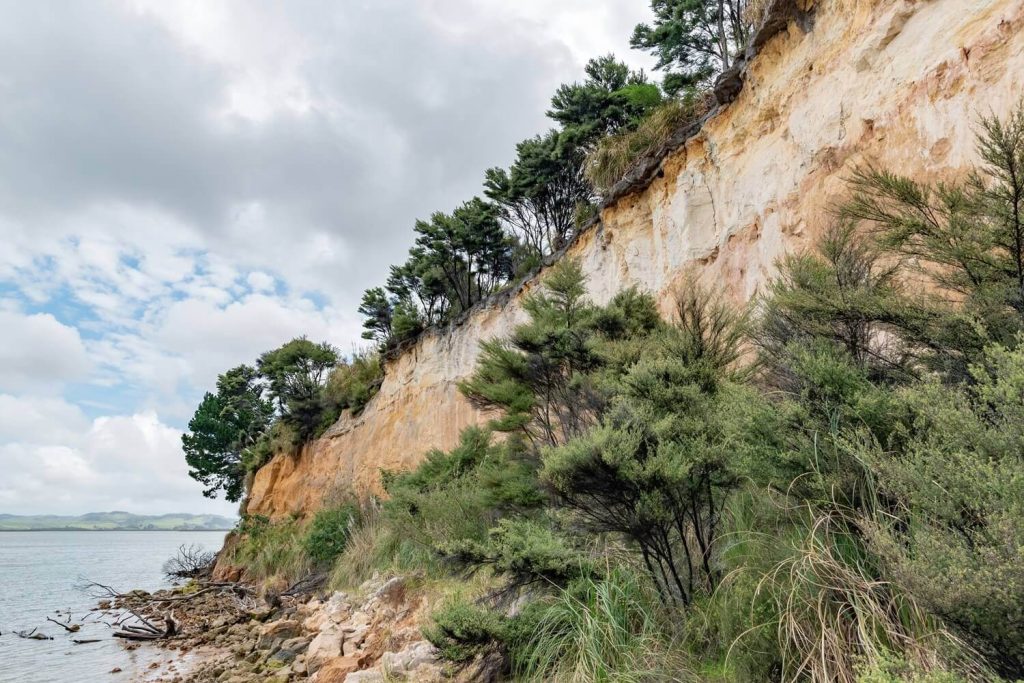
Coastal erosion happens when waves, currents, or tides remove material from the shoreline. Over time, this process changes the shape of the coast — beaches get narrower, cliffs retreat, and nearby land may sink or wash away.
Some erosion is natural, but in many areas, it’s becoming worse because of human activities and changing climate conditions.
Coastal erosion can happen for several reasons. In Malaysia’s tropical environment, it usually comes from a mix of natural forces and human actions.
Waves constantly hit the shore, moving sand and sediment back and forth. During storms or the monsoon season, stronger waves can carry away more sand than usual, causing beaches to shrink.
Heavy storms, such as tropical depressions or strong winds, create storm surges — large waves that crash further inland than normal. These surges can cause serious erosion in a short period of time.
Because of global warming, sea levels are rising slowly around the world. Even a small rise allows waves to reach higher up the beach, increasing erosion and flooding risks.
Rivers naturally carry sand and soil to the coast, which helps build beaches. But when dams or developments block these rivers, less sediment reaches the coast, leaving beaches with no natural way to recover after erosion.
Building too close to the shore, clearing mangroves, or reclaiming land for housing and tourism can make the coastline weaker. These activities often remove natural defences that protect the shore from waves and currents.
The effects of coastal erosion can be serious — affecting both people and nature.
Malaysia’s government and engineers have been working together to find ways to control this problem while protecting both people and the environment.
Malaysia has over 8,000 kilometres of coastline, stretching across Peninsular Malaysia, Sabah, and Sarawak. Studies show that around 15% to 20% of this coastline is affected by erosion.
Here are a few examples:
These examples show that erosion is not just a local problem — it affects the entire nation’s coasts.
There is no one-size-fits-all solution for coastal erosion. Engineers usually combine several methods depending on the site’s conditions and needs. These methods are grouped into two main categories: hard engineering and soft engineering.
These are man-made structures built to protect the coast from wave energy. They are strong, reliable, and often used where erosion threatens homes or important infrastructure.
A seawall is a wall built parallel to the coast to block waves from directly hitting the land. It helps prevent erosion but needs good maintenance to last long.
Breakwaters are barriers built offshore to reduce wave strength before it reaches the beach. They help calm the water and encourage sand to settle behind them.
Revetments are sloped layers of rocks, concrete blocks, or geotextile bags placed along the coast. They absorb wave energy and reduce soil loss without fully blocking water flow.
Groynes are short barriers built out from the shore into the sea. They trap sand that moves along the coast, helping build up the beach. However, they must be carefully planned, or they may shift erosion to nearby areas.
These methods work with nature rather than against it. They are more environmentally friendly and often cheaper to maintain over time.
This method adds new sand to replace what has been lost. It makes beaches wider and stronger but must be repeated occasionally since waves will continue moving the sand.
Mangroves are one of nature’s best defences against erosion. Their roots hold the soil together and absorb wave energy. Replanting mangroves along coastlines helps protect land and provides habitats for fish and other wildlife.
Sand dunes act as natural barriers between the sea and inland areas. Planting grasses or installing sand fences helps rebuild and protect these dunes.
This newer approach combines plants, rocks, and biodegradable materials to create natural barriers that grow stronger over time. It allows ecosystems to thrive while protecting the shore.
Geosynthetics are special engineered materials used in many coastal projects. They include geotextiles, geogrids, and geotubes — flexible materials that stabilize soil, prevent erosion, and absorb wave energy.
Common applications include:
These materials are popular in Malaysia because they’re adaptable, durable, and can be used in both temporary and permanent coastal protection projects.
In many successful coastal projects, engineers use a combination of methods. For example:
This approach provides multiple layers of protection — balancing strength, sustainability, and aesthetics. Regular maintenance and community awareness are also essential to keep these systems effective.
Protecting the coast is not only the job of engineers. Local communities and policymakers also play a major role.
The government manages coastal development projects and monitors high-risk zones. Meanwhile, residents can help by:
When communities understand and support coastal protection measures, the results last longer and cost less to maintain.
As Malaysia continues to grow, its coastal areas face more pressure from rising seas and development. But with smart planning, the right technologies, and community participation, it’s possible to protect these valuable areas.
Combining hard engineering, soft engineering, and nature-based solutions gives the best long-term results. These strategies not only protect people and property but also preserve the natural beauty that defines Malaysia’s coasts.
Coastal erosion is a natural process — but one that can be managed with knowledge, care, and collaboration. By understanding the causes of coastal erosion and applying a mix of practical solutions, Malaysia can build stronger, more resilient coastlines.
Whether it’s a seawall, a mangrove forest, or a geotextile barrier, every method plays a role in keeping the balance between human development and nature. Protecting our coasts today means ensuring a safe and sustainable future for generations to come.
Copyright © Gateway Structure Sdn Bhd (199401025111). All Right Reserved.