
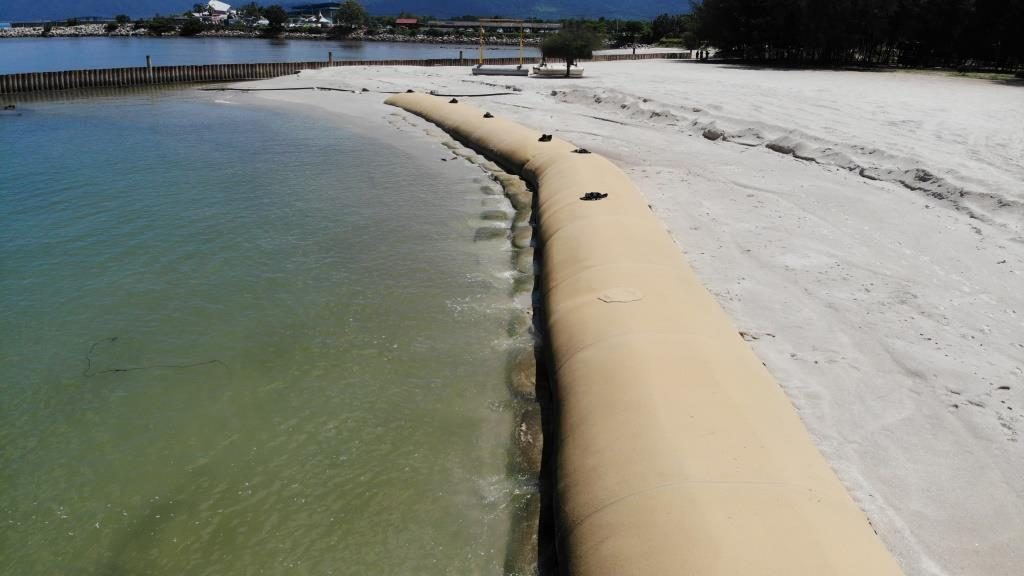
A geotube is a large engineered geotextile container used to contain materials such as sand, dredged sediment or sludge while allowing water to drain through its permeable fabric.
Depending on the project, geotubes can perform very different roles. Sand-filled units may form part of coastal protection, riverbank stabilisation, breakwaters or reclamation works, while geotextile tubes used for dewatering can separate water from fine sediment or industrial sludge.
The principle is straightforward: material is pumped into the tube, excess water passes through the engineered geotextile, and the retained solids remain inside.
However, successful geotube installation involves much more than simply laying a tube and filling it. The tube size, fabric properties, foundation condition, fill material, pumping rate, drainage arrangement and final design all influence how the system performs.
Gateway Structure Sdn Bhd (GSSB) specialises in the installation of geosynthetic systems in Malaysia, including geotubes, geotextiles and prefabricated vertical drains. Its portfolio includes geotube installation works at locations such as Sri Kijang and Port Dickson.
A geotube, or geotextile tube, is a tubular containment system manufactured from high-strength permeable geotextile.
The fabric is engineered to allow water to escape while retaining the required fill material.
For coastal engineering, the tube is commonly filled hydraulically with a mixture of sand and water. As water drains through the geotextile, the sand remains inside and gradually forms a dense structural unit.
For dewatering applications, the fill may instead consist of dredged sediment, municipal sludge, industrial sludge or another slurry. In these cases, the aim is usually to reduce water content and consolidate the solids so they are easier to handle, reuse or dispose of.
This distinction is important because not every geotube project has the same design or filling process.
The basic operating principle can be summarised in three stages:
Filling → Dewatering → Consolidation
During filling, slurry is pumped into the geotube through designated filling ports.
The hydraulic pressure spreads the material through the tube while water begins moving through the permeable geotextile.
As water escapes, solids remain inside.
The tube gradually loses some height as dewatering occurs, allowing additional filling cycles where required. Over time, the retained material becomes denser and more stable.
For a sand-filled coastal structure, the consolidated sand provides the mass required for erosion-control or hydraulic applications.
For sludge dewatering, the objective is different: the process reduces the volume and water content of the retained solids.
Geotubes are used across coastal, civil, environmental and industrial engineering projects.
One of the most common structural applications is coastal erosion control.
A sand-filled geotube can form part of a revetment, dune core, breakwater or other shoreline-protection system. Its mass helps resist hydraulic forces while the geotextile contains the sand.
In some designs, the tube is covered by sand, armour, geobags or another protection layer rather than remaining exposed.
A Malaysian case study in Langkawi, for example, used a geotube system together with scour aprons and geobags to address beach erosion caused by monsoon conditions.
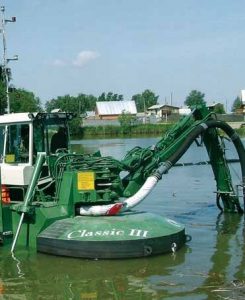
Geotubes can also be incorporated into riverbank and flood-mitigation works.
GSSB’s existing flood-mitigation case study shows how dredged material was used to hydraulically fill geotextile tubes as part of riverbank protection works, allowing material from the river itself to contribute to the finished structure.
This can be particularly useful where suitable dredged material is available close to the project site.
Geotubes may also serve as containment or structural elements in reclamation, bund construction and other marine works.
Their flexible form allows engineered structures to be created using hydraulically placed fill without depending entirely on conventional rock or concrete construction.
Whether this is appropriate depends on wave conditions, foundation stability, scour risk, design loading and the availability of suitable fill.
A second major application is dewatering.
Here, the geotube acts as a large filtration container.
Slurry is pumped into the tube and water passes through the fabric, leaving concentrated solids behind. This approach can be applied to dredged sediment, wastewater sludge, mining residues, agricultural waste and certain industrial process streams.
Fine-grained slurry may require polymer conditioning before pumping. The polymer causes small suspended particles to form larger flocs, which can improve solid retention and water release.
Polymer treatment is therefore relevant mainly to suitable dewatering applications and should not be confused with the normal sand-filling process used for structural coastal geotubes.
Although both use permeable geotextile containment, their objectives are different.
| Application | Main objective | Typical fill |
|---|---|---|
| Coastal geotube | Create a stable structural mass | Sand or suitable dredged material |
| Riverbank / hydraulic structure | Erosion protection or containment | Sand / dredged material |
| Dewatering geotube | Remove water and consolidate solids | Sludge, sediment or process slurry |
| Industrial dewatering | Reduce waste volume | Process sludge or fine solids |
A coastal geotube must be designed around structural stability, hydraulic loading, scour and foundation conditions.
A dewatering tube places greater emphasis on filtration properties, solids retention, drainage and the behaviour of the slurry.
This is why geotube specification should always begin with the intended application.
A typical geotube installation involves planning, site preparation, deployment, hydraulic filling, controlled dewatering and final integration.
The exact procedure varies according to whether the geotube will become a permanent coastal structure or is being used temporarily for dewatering.

Installation should begin with engineering assessment rather than equipment mobilisation.
For a structural project, engineers need to understand the foundation soil, water levels, wave or flow conditions, scour potential, required alignment and available fill material.
For dewatering, the characteristics of the slurry become especially important. Particle size, solids concentration and filtration behaviour help determine the appropriate fabric and whether chemical conditioning is required.
This information is then used to determine the geotube dimensions and geotextile properties.
GSSB’s dedicated geotube size and specification guide explains why circumference, length, tensile strength, Apparent Opening Size and permeability all need to be considered together rather than choosing a tube based only on dimensions.
The supporting surface is critical.
Sharp rocks, construction debris, roots and other objects that could puncture the fabric should be removed. The ground also needs to be prepared according to the design so the geotube does not experience excessive differential settlement or distortion.
Depending on the application, the installation may incorporate an underlying geotextile, drainage layer or scour apron.
For coastal works, scour protection deserves particular attention because erosion around or beneath the structure can affect stability even when the geotube itself remains intact.
The Langkawi coastal project, for example, used scour aprons and filled anchor tubes as part of the installation system rather than relying on the main geotube alone.

Once the foundation is ready, the empty geotube is positioned along the required alignment.
Because these units can become extremely heavy after filling, placement must be accurate before substantial material is pumped inside.
The tube should be unfolded without twisting and positioned so that filling ports remain accessible.
Any anchoring, scour-control or adjoining elements specified by the design should also be installed correctly before filling progresses.
The filling hose is connected to the appropriate port and the slurry is pumped into the tube.
For coastal installations, suitable sand is generally mixed with water so it can be transported hydraulically.
For dewatering projects, the slurry may come directly from dredging, wastewater treatment or an industrial process. Where polymer conditioning is required, dosing should be based on appropriate testing rather than adding polymer indiscriminately.
The pumping equipment, hose arrangement and flow rate should match both the material and the geotube design.
Geotube filling needs to be controlled carefully.
Pumping too quickly or exceeding the permitted fill height can place excessive stress on the fabric and seams. Uneven filling can also cause the tube to shift or develop an irregular final profile.
Installers therefore monitor the tube as filling progresses and adjust the pumping operation where required.
A geotube should not simply be filled until it looks full.
Its maximum fill height and operating limits should be based on the project design and manufacturer’s specifications.
Dewatering begins as soon as the slurry enters the tube.
The geotextile allows water to pass through while retaining the designed fraction of solids.
As water drains out, the volume inside decreases and the tube loses some initial height.
For structural sand-filled tubes, this allows the sand to settle and densify.
For sludge applications, the objective is to remove as much free water as practical so the retained solids become easier to manage.
The discharged water also needs appropriate management. Depending on the application, it may be collected, returned to the process, treated or discharged according to the project’s environmental requirements.
A geotube often reaches its design volume through several filling cycles rather than one continuous operation.
After one filling stage, pumping may be paused to allow water to escape and the material to settle.
Additional slurry can then be introduced.
Repeating this controlled filling and dewatering process allows the retained material to consolidate progressively.
How many cycles are required depends on the tube size, fill characteristics, pumping arrangement and desired final geometry.
After the final filling cycle, the ports are closed according to the system requirements.
The geotube then continues to consolidate as residual water drains.
For dewatering applications, this consolidation stage may continue well after pumping has stopped.
For structural installations, the tube can then progress to the next stage of construction once the required geometry and stability have been achieved.
The final treatment depends on the project.
A coastal geotube may form the core of a dune, breakwater or revetment and be covered with sand, geobags, armour or other protection.
In a permanent riverbank installation, it may remain part of the hydraulic structure.
For dewatering projects, the tube may eventually be opened and the consolidated solids removed for disposal or suitable reuse, subject to the material characteristics and regulatory requirements.
This final stage is why the intended end use should be determined during design rather than after filling begins.
The performance of a geotube depends on both the product and the installation.
Even an appropriately specified tube can underperform if the foundation is poorly prepared, the filling process is uncontrolled or scour protection is inadequate.
Conversely, installation cannot compensate for a geotube that has been incorrectly specified for the fill material or site conditions.
A successful system therefore requires alignment between:
Design → material specification → site preparation → filling control → drainage → final protection
This is particularly important in coastal projects where the installed system may be exposed to wave action, tides, changing water levels and erosion.
Geotubes are generally selected according to dimensions such as circumference and length, but size alone does not determine performance.
The project also needs to consider fabric tensile strength, seam strength, permeability, Apparent Opening Size, UV resistance and the compatibility between the fabric and fill material.
For example, a dewatering project containing very fine particles may need different filtration characteristics from a sand-filled coastal geotube.
Likewise, a tube used in an exposed coastal location may need to withstand very different forces from a temporary dewatering installation.
GSSB’s geotube sizing guide covers these technical considerations in more detail.
Several problems can reduce the performance of a geotube system.
One of the most common is inadequate foundation preparation. Uneven ground or sharp debris can lead to distortion, abrasion or damage once the tube begins filling.
Another is overfilling. Excessive fill height or pumping pressure can overstress the geotextile or seams.
Uneven pumping can create an irregular profile, while incorrect fabric selection may allow excessive loss of fine solids or result in inadequate drainage.
For coastal installations, overlooking scour is particularly risky. Water moving around the structure can remove supporting material from beneath or beside the tube unless scour protection is incorporated into the engineering design.
For dewatering projects, poor slurry testing or inappropriate polymer dosage can reduce filtration performance.
These are reasons why geotube installation should follow project-specific engineering requirements rather than a universal installation formula.
Geotubes are attractive for certain projects because they combine containment and filtration within a flexible geosynthetic system.
Where suitable local sand or dredged material is available, a structural geotube can reduce dependence on imported fill or large quantities of conventional construction material.
Hydraulic filling can also make construction practical in environments where transporting and placing rock or other materials is challenging.
For dewatering applications, the tube provides both containment and volume reduction in one process.
Another advantage is versatility. The dimensions and fabric can be selected according to the site’s geometry and engineering requirements, making the system adaptable to coastal, river, reclamation and environmental applications.
These benefits, however, depend on proper design and installation. Geotubes should not automatically be treated as replacements for seawalls, rock revetments or mechanical dewatering systems in every project.
They are related geosynthetic containment products, but they are not the same.
A geotube is generally a long tubular container that is hydraulically filled through filling ports.
A geobag is normally a smaller individual geotextile container filled with sand or other material.
Because geobags are smaller, they can be arranged in layers or individually positioned around slopes and shorelines. Geotubes are better suited to creating longer continuous structures or handling larger volumes.
GSSB has used both systems in erosion-control applications, including combined coastal installations.
A sand-filled mattress is another geosynthetic erosion-control system, but its shape and function are different.
Instead of forming a large tubular mass, a sand-filled mattress creates a relatively thin protective layer across a surface.
This can make it suitable for applications such as riverbank, slope or seabed protection, while geotubes are commonly used where a larger containment or structural element is required.
The correct solution depends on the erosion mechanism, hydraulic conditions and project geometry rather than simply choosing the larger system.
Malaysia’s extensive coastline, rivers, ports and areas of soft ground create several potential applications for geotube technology.
Coastal erosion protection is one of the most visible examples, particularly where shorelines are exposed to seasonal wave and monsoon action.
Geotubes can also support riverbank works, hydraulic structures and selected reclamation applications.
GSSB’s own project portfolio includes geotube installation at Sri Kijang and Port Dickson, alongside a wider range of geosynthetic installations for major Malaysian infrastructure projects.
For project owners, however, local experience matters because soil conditions, water levels, access constraints and available fill material can vary significantly between sites.
A geotube is a large permeable geotextile container used to retain sand, sediment or sludge while allowing water to escape. It can be used as a structural element for coastal and river applications or as a containment system for dewatering.
Geotube installation generally involves preparing the site, positioning the empty tube, connecting filling equipment, hydraulically pumping in sand or slurry, allowing water to drain through the fabric and repeating filling cycles until the required final condition is achieved.
For coastal protection, suitable sand or dredged material is commonly used. For dewatering, the fill may be sludge, fine sediment or industrial slurry. The material should be assessed before the geotube and fabric specification are finalised.
Yes. Geotubes can form part of engineered erosion-control systems such as revetments, dune cores and breakwaters. Site conditions, scour, waves, foundation stability and protection of the tube must all be considered in the design.
Yes. Geotextile tubes can retain solids while water passes through the permeable fabric, reducing the volume and water content of sludge or sediment.
There is no universal installation duration. It depends on tube dimensions, fill volume, pumping capacity, material properties, site access, drainage rate and the number of filling cycles required.
For permanent structural applications, the filled tube may become part of a coastal, riverbank or reclamation structure and can be covered or protected according to the design.
For dewatering, the retained solids continue consolidating and may later be removed for suitable reuse or disposal.
A successful geotube installation starts well before material is pumped into the tube.
The site conditions, fill material, hydraulic environment and purpose of the finished system determine the appropriate size, fabric properties, installation method and supporting works.
For coastal structures, attention needs to be given to foundation preparation, scour protection, fill control and long-term exposure.
For dewatering projects, the priorities shift towards slurry behaviour, filtration, drainage and solids consolidation.
That is why selecting a geotube based only on an available size or generic specification can create problems later in the project.
Gateway Structure Sdn Bhd is an ISO 9001 and ISO 45001 accredited geosynthetic installation contractor and holds CIDB G7 classification. Its work includes geotube, geotextile and other geosynthetic installations for civil and infrastructure projects in Malaysia.
For projects involving coastal protection, riverbank stabilisation, dewatering or other geotube applications, explore GSSB’s geosynthetic installation services or review its geotube project portfolio to see previous installation work.
Copyright © Gateway Structure Sdn Bhd (199401025111). All Right Reserved.